Ready to transform your hiring?Your next great hire is waiting.
Your next great hire is waiting.
Let AI find them.
Join engineering teams who replaced week-long hiring cycles with hours. No credit card required.
Join engineering teams who replaced week-long hiring cycles with hours. No credit card required.
The 30-minute recruiter phone screen has been the default first filter in hiring for decades. It is also one of the least examined rituals in business: expensive, inconsistent, and almost never audited. As AI-led interviews become mainstream, it is worth putting the two formats side by side and asking honestly - which one serves employers and candidates better?
A recruiter can realistically run six to eight phone screens a day. For a role with 200 applicants, screening even a quarter of them takes a week of full-time work - which is why most never get a call.
An AI interviewer runs every conversation in parallel, around the clock. Candidates interview minutes after applying, on their own schedule, including evenings and weekends when working applicants are actually free. Companies adopting AI screening report time-to-hire reductions of 25-50% and cost-per-hire savings around 30%.
Winner: AI, decisively.
Here is the uncomfortable truth about human phone screens: the seventh call of the day is not evaluated like the first. Interviewer fatigue, mood, accent bias, and rapport-driven drift all shape outcomes. Research on structured interviews shows why this matters - structured formats predict job performance at roughly r=0.51, versus r=0.38 for unstructured conversations.
An AI interview is structured by construction: identical competency coverage, identical scoring rubric, no fatigue, no rapport bonus for candidates who share the interviewer’s alma mater. The scoring is also auditable - every rating links back to what the candidate actually said.
Winner: AI, with a caveat - the rubric must be well designed, and modern regulation (rightly) requires bias audits of automated tools.
A skilled human interviewer can chase a hunch, sense hesitation, and probe a gap in ways AI is only beginning to approach. For final rounds, culture conversations, and negotiation, humans remain irreplaceable.
Winner: humans - which is exactly why AI belongs at the top of the funnel, not the bottom.
This one is more balanced than most vendors admit. Candidates value the flexibility and the fast feedback of AI interviews, but surveys still show many applicants are wary of being evaluated by an algorithm. What moves the needle is transparency: telling candidates how the interview is scored, keeping a human in the final decision, and giving real feedback instead of silence.
Worth remembering: the alternative for most applicants is not a friendly phone call - it is rejection by resume filter without any interview at all. Given the choice between no conversation and an AI conversation, most candidates choose the chance to be heard.
The question is not AI or humans. It is AI where scale and consistency matter, humans where judgment and relationships matter.
The teams getting this right use AI interviews to give every applicant a structured first round, then spend their recovered hours on deeper human conversations with a better shortlist. That is the model AIHire.io was built around: AI handles the screening marathon, and your team runs the finals.
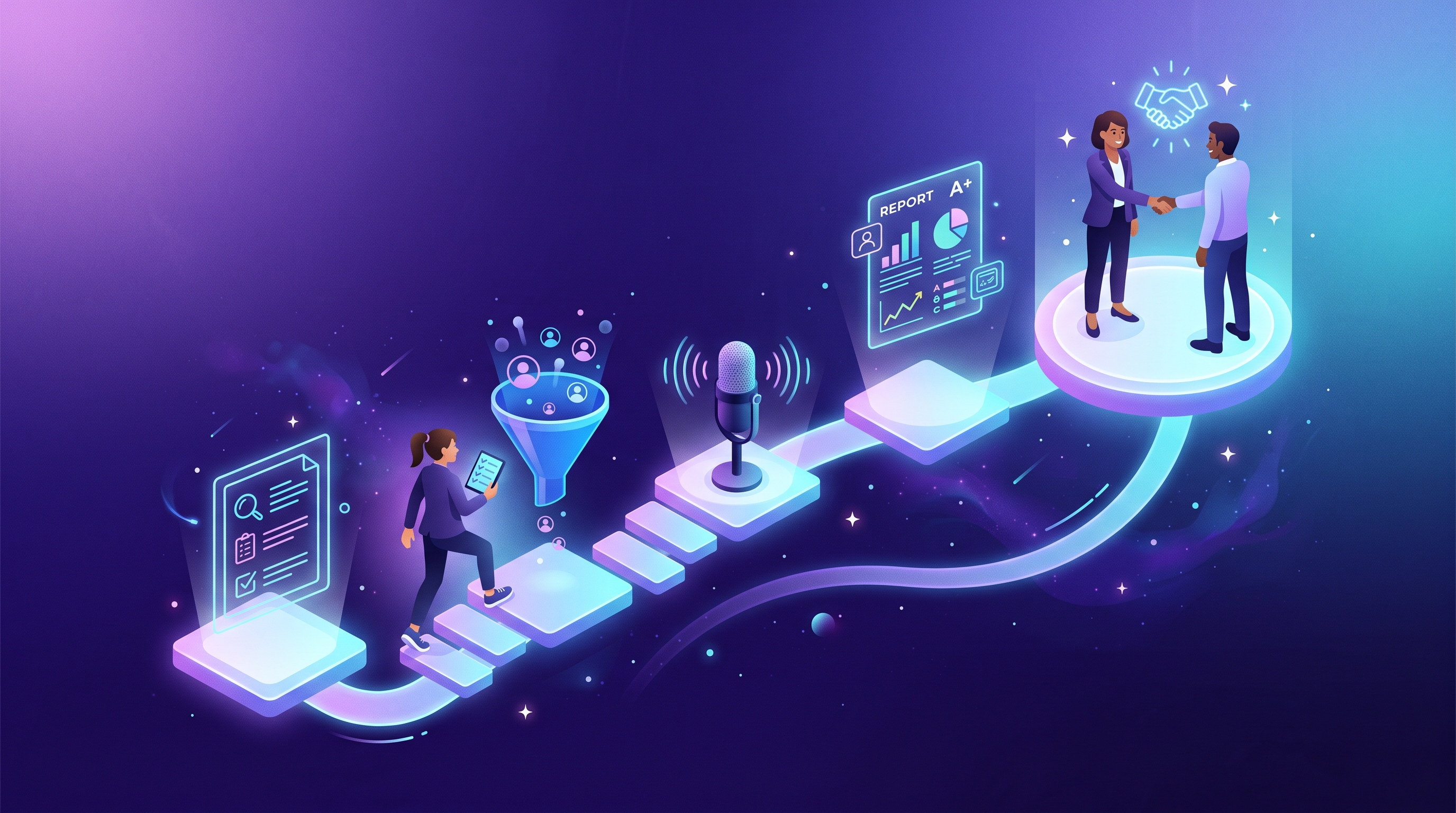
AI interviews reward good setup. A practical five-step playbook for your first AI-powered hiring round - from writing the job as an evaluation spec to reading reports like a pro.
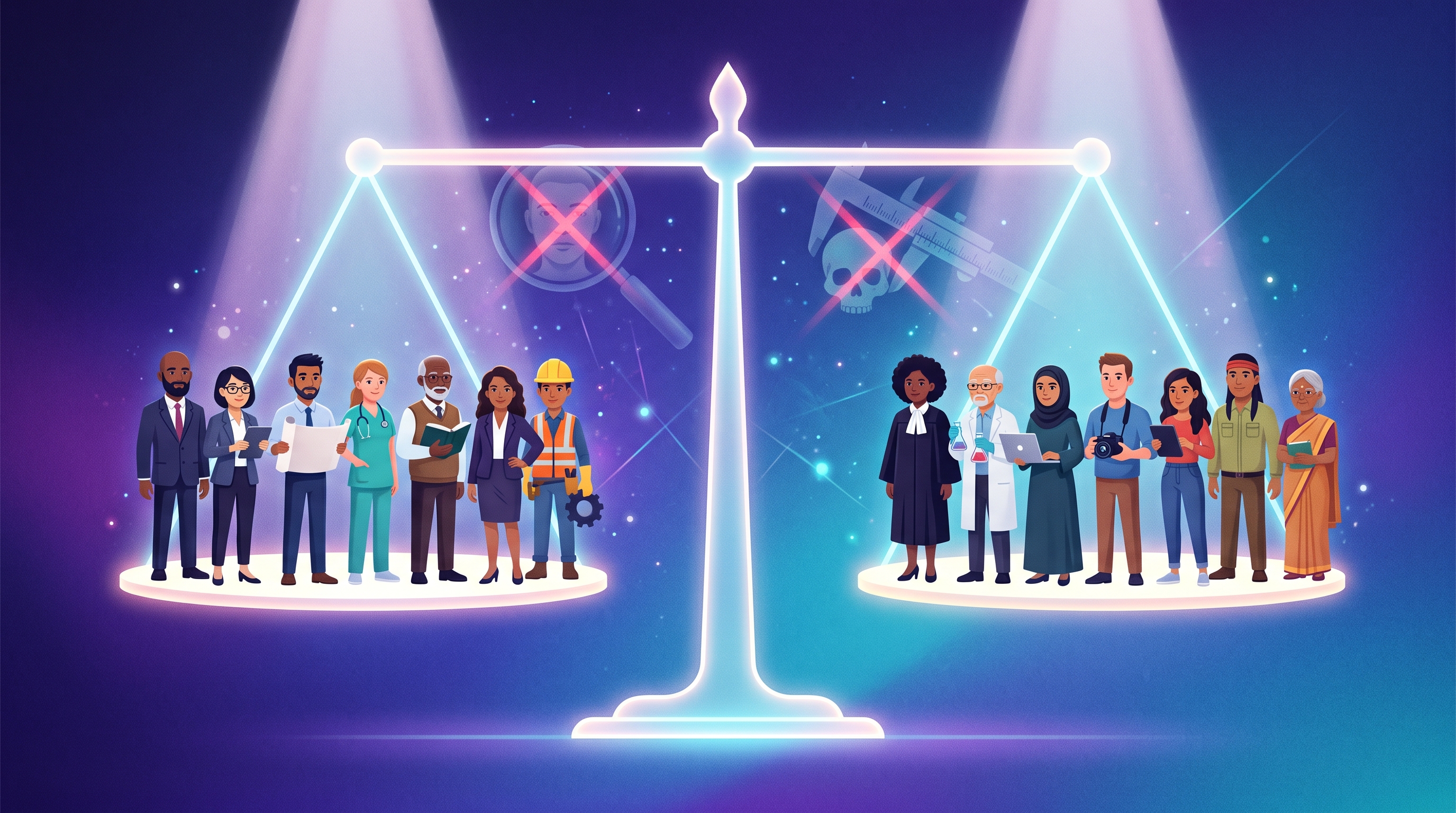
AI in hiring gets called both the cure for bias and its amplifier. Both claims are half-true. What actually determines the outcome is a short list of design choices.

If an AI interview influences who gets hired, its scoring should not be a black box. A step-by-step look at how a live conversation becomes a structured, evidence-backed report.