Ready to transform your hiring?Your next great hire is waiting.
Your next great hire is waiting.
Let AI find them.
Join engineering teams who replaced week-long hiring cycles with hours. No credit card required.
Join engineering teams who replaced week-long hiring cycles with hours. No credit card required.
Five years ago, a first-round interview meant a recruiter blocking thirty minutes on a calendar, dialling a number, and asking roughly the same ten questions for the fifteenth time that week. In 2026, a growing share of those conversations happen with an AI interviewer - a voice-driven system that talks to candidates in real time, asks structured follow-up questions, and produces a scored, evidence-backed report before a human ever gets involved.
By some counts, 88% of companies now use some form of AI in initial candidate screening, and AI adoption across HR tasks has climbed to 43% in 2026, up from 26% in 2024. So what exactly is behind the curtain?
A modern AI interviewer is not a form with a webcam attached. It is a live, two-way conversation powered by three layers of technology:
An AI interviewer is not a decision-maker. It is a structured evidence collector. The hiring decision stays with humans - the AI just makes sure every candidate got the same fair chance to show what they know.
This distinction matters more than ever. Regulations like the EU AI Act and New York City Local Law 144 require transparency and human oversight in automated hiring tools. Well-designed platforms lean into that: the AI recommends, flags, and summarises - people decide.
Candidates are understandably cautious - only about a quarter of applicants say they trust AI to evaluate them fairly. But the practical experience often wins them over: no scheduling ping-pong, no waiting two weeks for a callback, and a real opportunity to talk about their skills instead of being filtered out by a keyword scanner. The interview happens when they are ready, from wherever they are.
The AI interviewer is doing to the phone screen what the ATS did to the paper resume - turning a slow, inconsistent bottleneck into fast, structured data. Platforms like AIHire.io combine live voice interviews, skills assessments, and proctoring into a single pipeline, so employers spend their human hours on the conversations that actually decide a hire.
The first round of your next job interview may not involve a human. That is not a bug of the modern labour market - increasingly, it is the feature that gets you seen at all.
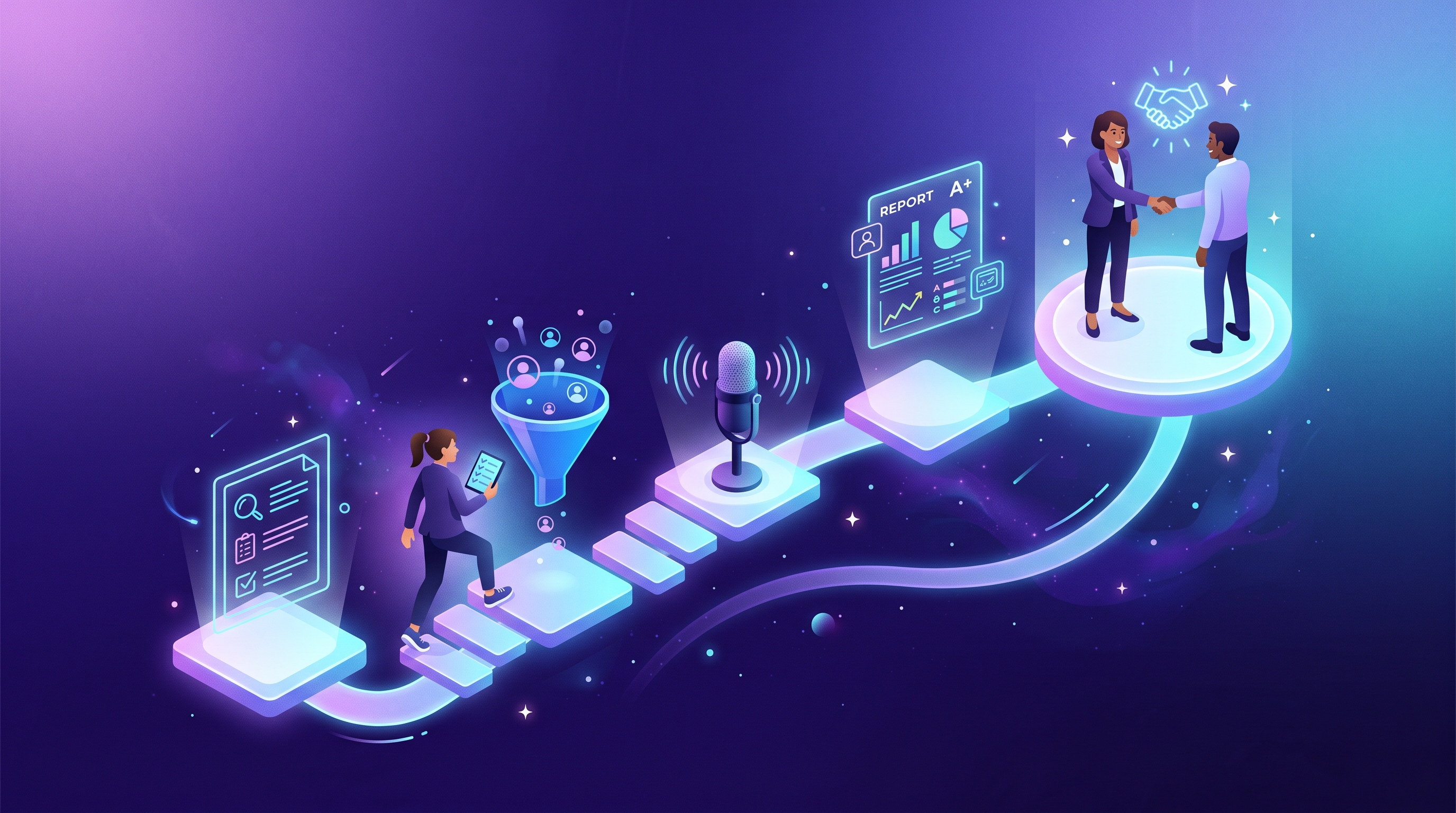
AI interviews reward good setup. A practical five-step playbook for your first AI-powered hiring round - from writing the job as an evaluation spec to reading reports like a pro.
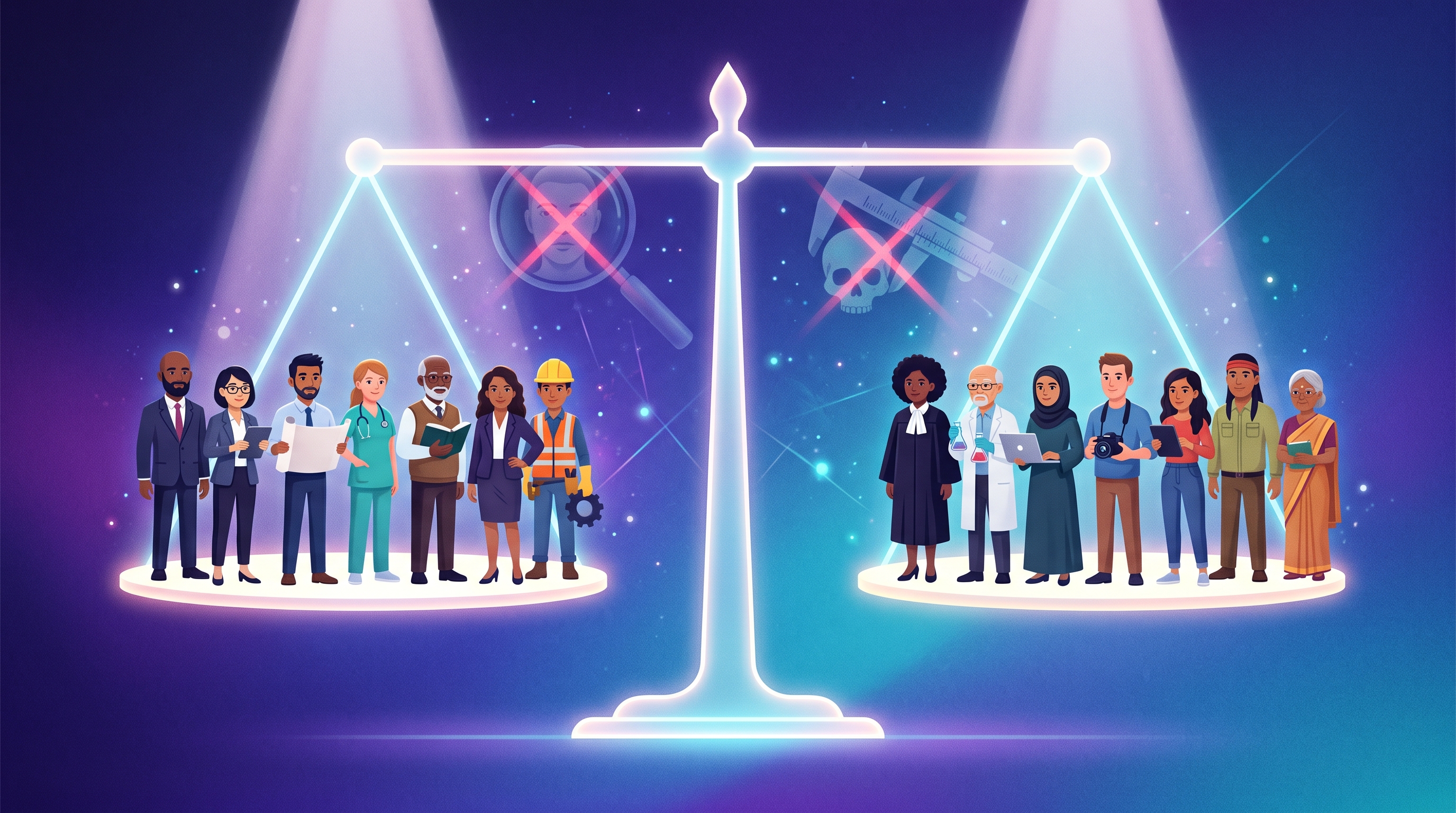
AI in hiring gets called both the cure for bias and its amplifier. Both claims are half-true. What actually determines the outcome is a short list of design choices.
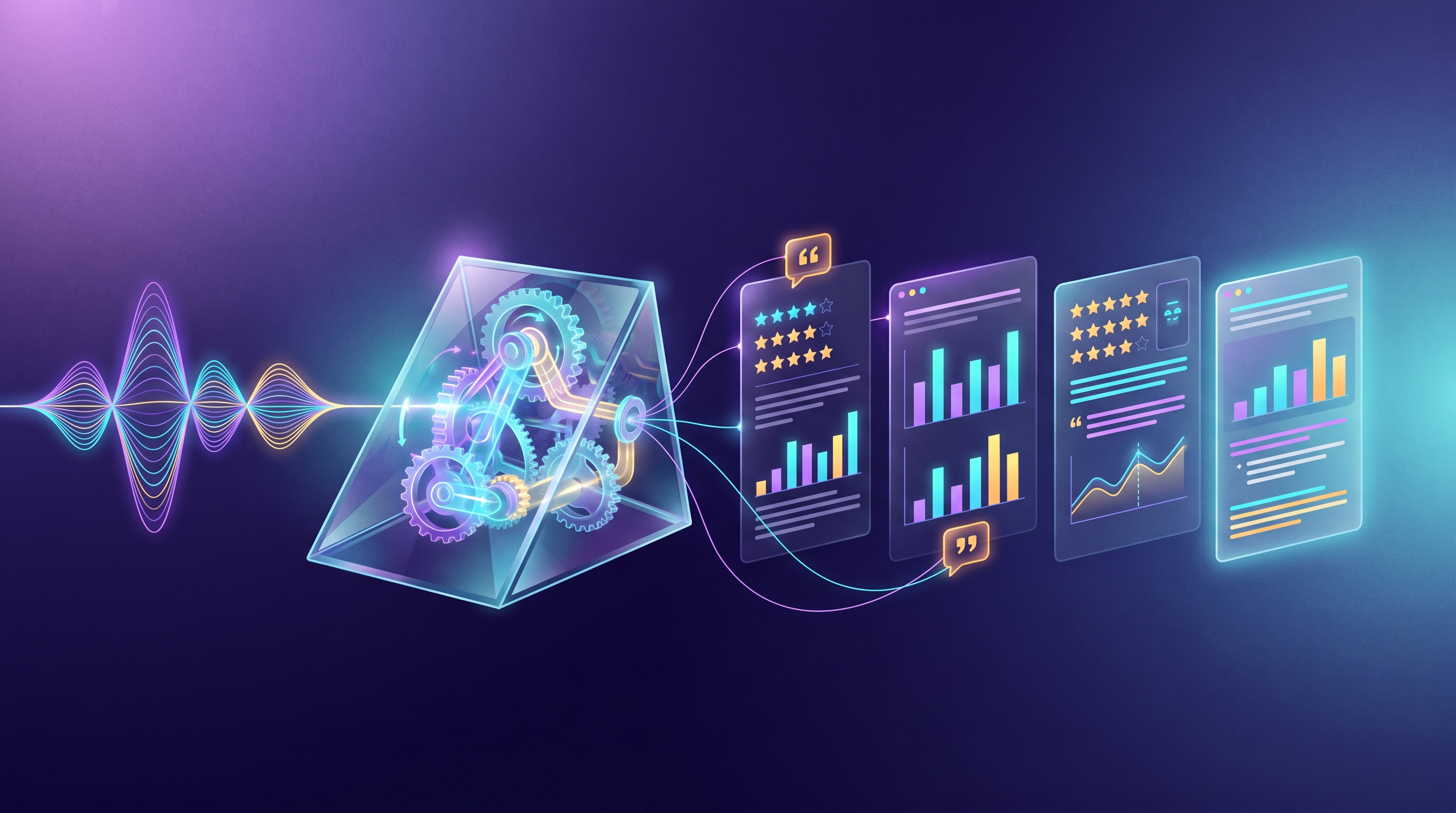
If an AI interview influences who gets hired, its scoring should not be a black box. A step-by-step look at how a live conversation becomes a structured, evidence-backed report.